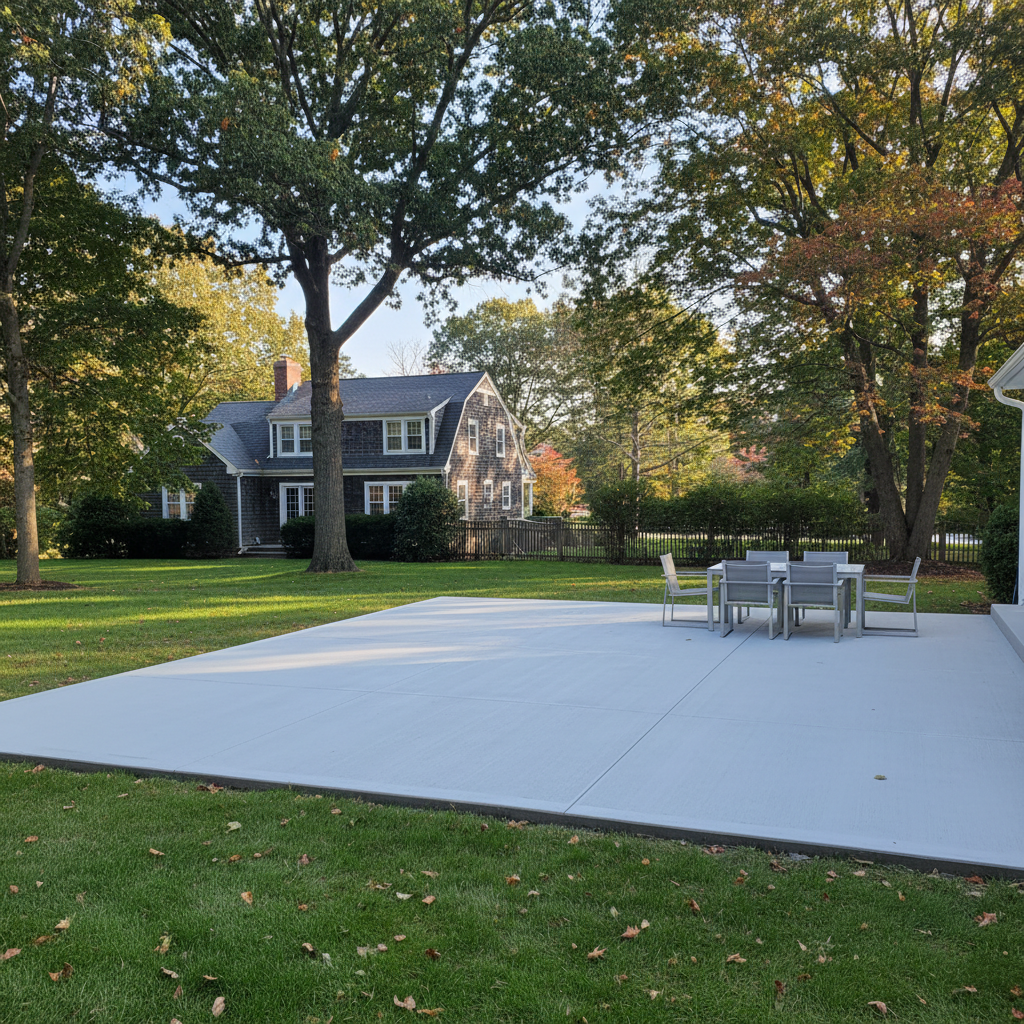
You want your concrete patio to last, right? Of course you do. It's not just a slab; it's where you host barbecues, relax with a good book, and watch the kids play. Here in Needham, especially with our wild temperature swings and those harsh winters, concrete needs a little love to stay strong and beautiful. I've seen too many patios crack prematurely because homeowners didn't know the simple things they could do. Let's make sure yours isn't one of them.
Regular Maintenance: Simple Steps for Long-Lasting Concrete
Keeping your patio in top shape isn't rocket science, but you've got to be consistent. Think of it like changing the oil in your car – neglect it, and you'll pay for it later, won't you?
Clean it Regularly: This is probably the easiest thing you can do. Sweep off leaves, dirt, and debris weekly, or whenever it looks messy. Those organic materials can hold moisture and encourage mildew, which not only looks bad but can also degrade the surface over time. For a deeper clean, a pressure washer on a low setting (around 1200-1500 PSI) with a fan tip works wonders. Just don't go too high with the pressure, or you could damage the surface, especially if it's stamped or stained. A mild detergent designed for concrete is fine for tougher spots.
Seal it Up: This is your concrete's best friend, especially around here. I recommend resealing your patio every 2-3 years, sometimes even annually if it gets a lot of sun exposure or heavy foot traffic. A good quality penetrating sealer will repel water, oil, and other stains, and it'll protect against freeze-thaw cycles. Those cycles are brutal on concrete, expanding and contracting the water inside, leading to cracks and spalling. A sealer acts like a raincoat for your patio, letting the water bead up and run off instead of soaking in. It's a small investment that pays huge dividends, really.
Deal with Spills Immediately: Oil, grease, wine, pet stains – clean them up as soon as they happen. The longer they sit, the deeper they penetrate, and the harder they are to remove. A little dish soap and a stiff brush often do the trick for fresh spills.
Winter Prep: Protecting Your Investment from Needham's Chill
Our winters are no joke. From the blustery winds whipping across Great Plain Avenue to the heavy snowfalls, your patio takes a beating. Proper winterization is crucial.
Clear Snow Carefully: Use a plastic shovel, not a metal one, to avoid scratching the surface. If you use a snowblower, keep it slightly elevated so the auger doesn't scrape the concrete. A good sealer will help prevent ice from bonding too strongly to the surface, making snow removal easier.
Avoid De-icing Salts: This is a big one. Most de-icing salts, especially those containing ammonium nitrates or sulfates, are terrible for concrete. They can cause spalling, pitting, and general surface degradation. Sand is a much safer alternative for traction. If you absolutely must use a de-icer, look for products specifically labeled as safe for concrete, usually those with calcium chloride or magnesium chloride, but use them sparingly.
Keep it Drained: Make sure water isn't pooling on your patio before a freeze. If you have potted plants, lift them off the concrete with risers so water doesn't get trapped underneath and freeze.
Warning Signs: When to Pay Closer Attention
Your patio will usually tell you when something's not right. Don't ignore these signals:
Cracks: Small hairline cracks are often normal shrinkage cracks and usually nothing to worry about. But if you see cracks that are wider than a credit card, or if they're growing quickly, that's a red flag. Cracks that lift one side of the slab higher than the other suggest a sub-base issue.
Spalling or Pitting: This is when small pieces of the concrete surface flake off or pit. It's often caused by freeze-thaw cycles or improper finishing, and it means your surface protection might be failing.
Discoloration or Stains: If cleaning doesn't remove the stains, or if you see large, dark, damp patches that don't dry out, it could indicate a moisture problem underneath.
Unevenness or Settling: If your patio starts to sink in one area, or if sections become noticeably uneven, the ground underneath might be shifting or eroding. This is more common in areas with poorly compacted fill or where water drainage is an issue, like some of the older homes around Bird's Hill where the soil can be a bit clayey.
When to Call a Pro (Like Us!)
Look, you can handle a lot of the basic maintenance yourself. But there are times when you need an expert eye. Don't hesitate to call Progressive Concrete Solutions if:
You see significant cracking or settling. These aren't just cosmetic; they can be structural.
You have extensive spalling or pitting that covers a large area. This usually means the damage is deeper than just the surface.
You're experiencing drainage issues around your patio that are causing water to pool against your foundation.
You're unsure about the best way to clean or seal your specific type of concrete (stamped, colored, exposed aggregate, etc.). Different finishes have different needs.
You want to explore repair options like grinding, patching, or even concrete resurfacing to give your old patio a new lease on life.
Catching problems early can save you a lot of money and headaches down the road. We're always happy to come out, take a look, and give you an honest assessment of what's going on with your patio. A little proactive care goes a long way in ensuring your outdoor living space stays beautiful and functional for years to come.