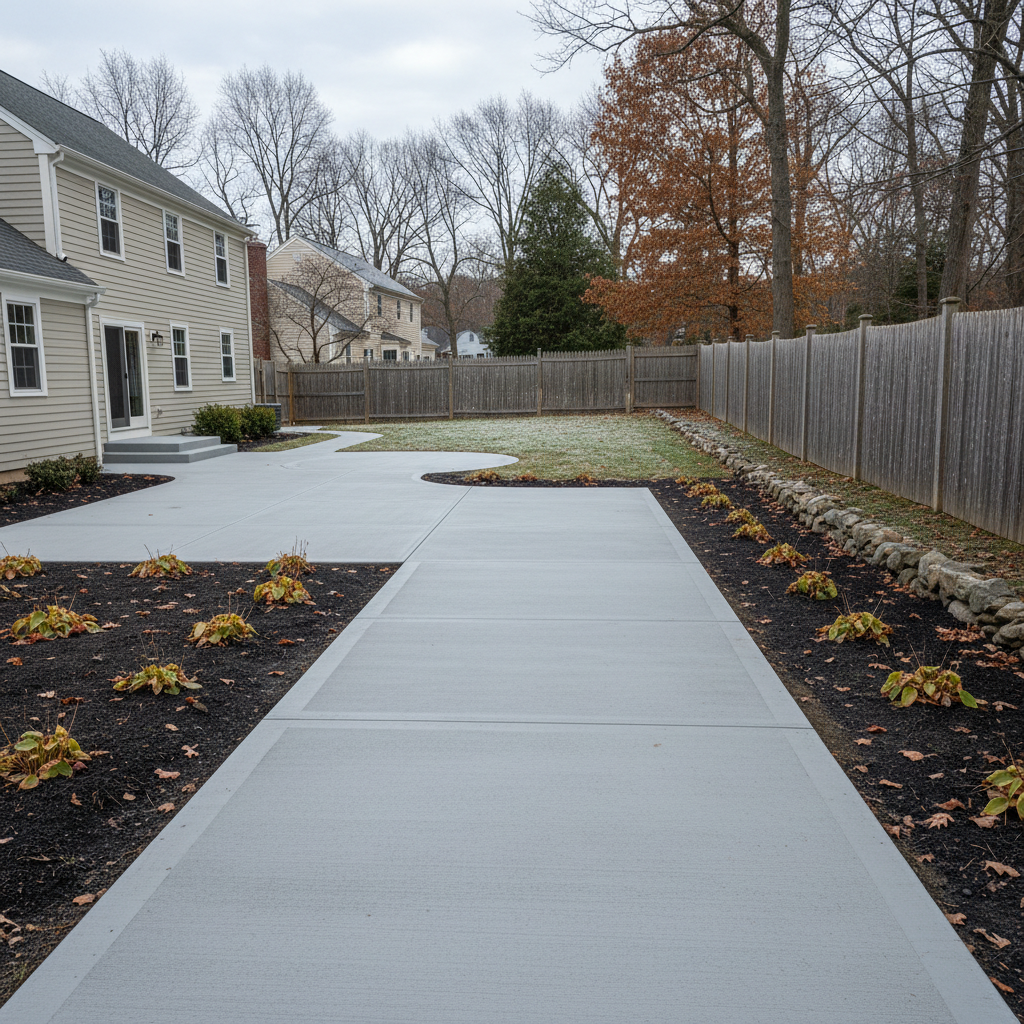
You've got concrete around your home – a driveway, a patio, maybe some walkways. It's a pretty big investment, right? And naturally, you want it to last. But here in Needham, our weather can be brutal on concrete. Those freezing winters, wet springs, hot summers – they all take a toll. So, how do you actually protect it? Well, it really comes down to understanding the seasons and what they mean for concrete care and repair.
When's the Best Time for Concrete Repair?
This is probably the most common question I get. Folks will spot a crack in the fall and wonder if they should just wait until spring. My answer? Usually, "it depends on the crack, but please don't wait too long!"
Generally speaking, spring and fall are the sweet spots for most concrete repairs. Why? Because you need moderate temperatures. Concrete cures best when it's not too hot and not too cold – think somewhere between 50 and 70 degrees Fahrenheit. If it's too hot, the water in the mix evaporates way too fast, which can actually weaken the concrete and lead to cracking. If it's too cold, the curing process slows down dramatically. Even worse, freezing water can expand and damage that fresh concrete before it even gets a chance to gain strength.
Here in Needham, that usually means late April through June is prime time. Then again, September and October are often excellent too; we get those beautiful, crisp days that are just right. If you happen to find a small crack in the middle of winter, don't panic. Just make sure it's on your radar for the first warm spell. Leaving it through another freeze-thaw cycle can turn a small problem into a much bigger one, believe me.
Weather Conditions That Affect the Work
It's not just about temperature, you know. Other weather factors play a huge role too. As a contractor, I'm always checking the forecast before starting a job. You should know what we're looking for:
- Rain: This is a big one. Freshly poured or repaired concrete needs to be protected from rain. Too much water can dilute the mix, weaken the surface, and cause discoloration. We'll often tarp off areas or just reschedule if heavy rain is expected.
- Humidity: High humidity can slow down the drying and curing process. That's not always a bad thing, actually, as it can lead to stronger concrete. Low humidity, especially with wind, can dry the surface too quickly, potentially causing surface cracks.
- Wind: A strong wind can also accelerate surface drying, much like low humidity. We might use windbreaks or apply special curing compounds to help manage this.
- Sunlight: Direct, intense sunlight can heat the concrete too quickly, leading to rapid evaporation and potential cracking. Sometimes we'll shade an area or work during cooler parts of the day.
So, when you call us at Progressive Concrete Solutions and we ask about your schedule, understand that we're also factoring in the unpredictable New England weather. We want to do the job right, and that means picking the best conditions.
Protecting Your Concrete Year-Round
Even after we've finished a repair or installation, your job isn't quite over. A little year-round care goes a long way in extending the life of your concrete.
Spring & Summer
Once the threat of frost is gone, it's a good time to inspect your concrete. Look for any new hairline cracks, spalling (that's flaking, by the way), or uneven settling. Catching these early can save you a lot of headache and money. Keep it clean – sweep off debris regularly. If you have a sealed surface, consider re-sealing every couple of years, especially for high-traffic areas like driveways. This helps prevent water penetration and staining.
Fall
Before winter really sets in, give your concrete a good cleaning. Remove all leaves, dirt, and organic matter. If left to decompose, these can stain your concrete and hold moisture against the surface. Check your gutters and downspouts too; make sure they're directing water away from your concrete slabs. Water pooling next to a foundation or driveway is just asking for trouble when the ground freezes.
Winter
This is where Needham concrete really gets tested. Those constant freeze-thaw cycles are brutal. Here's my biggest tip: be careful with de-icing salts. Many common de-icers, especially those containing ammonium sulfate or ammonium nitrate, can severely damage concrete. They cause the concrete to spall and flake. Opt for sand if you need traction, or use calcium chloride-based products sparingly. Better yet, shovel early and often to minimize ice buildup. Also, avoid using metal shovels or ice picks directly on the concrete surface; you can chip it, obviously.
I've seen plenty of driveways in the Birds Hill area get chewed up by harsh de-icers over the years. It's a common mistake, but an avoidable one.
Taking these seasonal steps will make a huge difference in how long your concrete lasts and how good it looks. It's not just about fixing problems; it's about preventing them. If you have questions or need a professional eye on your concrete, don't hesitate to give us a call at Progressive Concrete Solutions. We're here to help you keep your investment solid.